
 Heba Farid
Branding guidelines are the foundation of every strong brand identity. They define how your brand looks, feels, and communicates, ensuring consistency across every touchpoint, from your logo to your language. In today’s crowded digital world, brands that maintain a clear and unified identity stand out, while those without structure often fade into noise.
In this article, we’ll explore what branding guidelines are, why they matter, and how to create ones that elevate your business image, whether you’re building from scratch or going through a rebranding journey.
What Are Branding Guidelines?
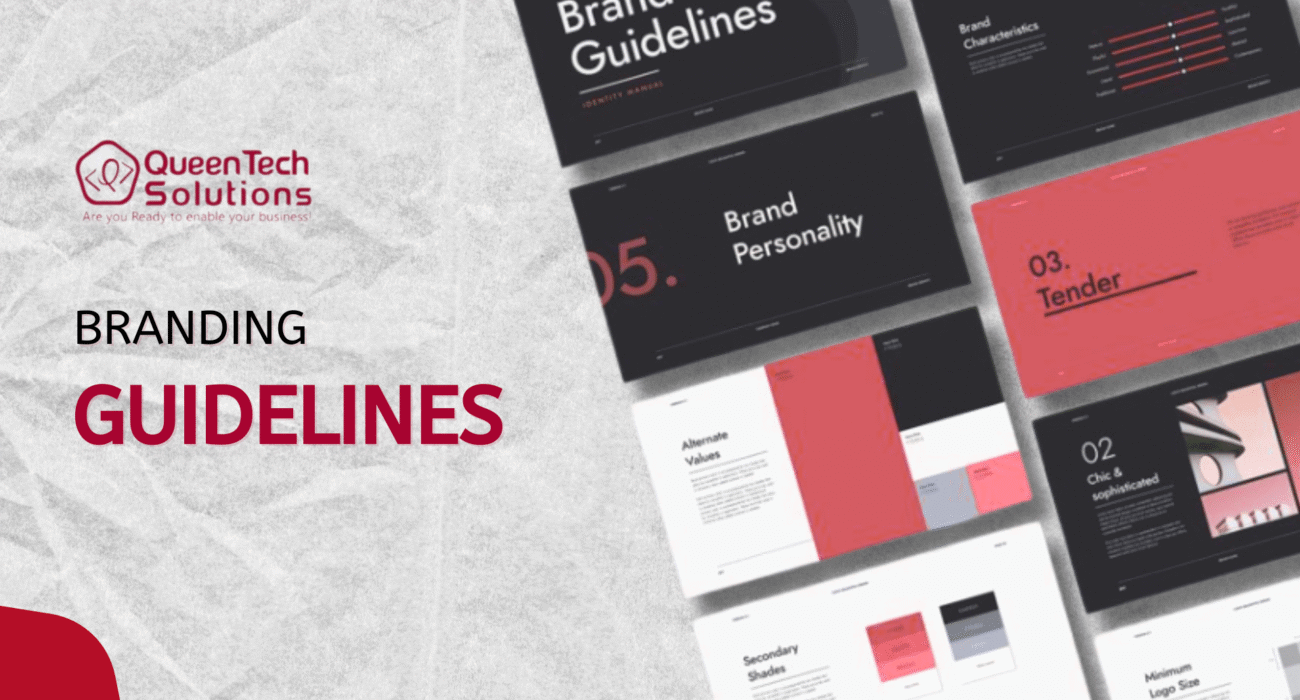
Branding guidelines, often called a brand book or style guide, define how a brand should be presented visually and verbally. They set the standards for all brand assets, logos, colors, fonts, tone of voice, and more to create a cohesive identity across marketing, web, print, and internal communication.
In short:
“Branding guidelines are your brand’s DNA; they determine how it looks, sounds, and behaves.”
They ensure that no matter who works on your brand, the message remains the same. This is especially vital for growing companies, franchises, and startups collaborating with multiple agencies or freelancers.
Why Branding Guidelines Matter
When customers interact with your brand, every visual element and piece of content sends a message. That message must be consistent, recognizable, and aligned with your company’s values. Branding guidelines help you achieve exactly that.
They act as your brand’s rulebook, a visual and verbal compass that ensures every ad, post, or brochure represents your identity the same way. Whether a designer is working on a logo design, a copywriter is crafting a campaign, or a social media manager is posting online, clear guidelines keep everyone on-brand.
Inconsistent branding, on the other hand, confuses audiences and weakens credibility. A strong, documented identity increases brand recognition by up to 80%, according to Lucidpress, proof that consistency pays off.
Key Elements of Effective Branding Guidelines
A complete set of branding guidelines includes both visual and verbal components:
Visual Elements
- Logo Usage: Rules for placement, spacing, background colors, and improper use examples.
- Color Palette: Defines primary and secondary brand colors with HEX and RGB codes.
- Typography: Lists fonts for headings, body text, and digital/print use.
- Imagery Style: Specifies the types of photos, illustrations, and icons that reflect the brand’s personality.
Verbal Elements
- Tone of Voice: Outlines how the brand “speaks,” whether it’s friendly, authoritative, or inspiring.
- Messaging Framework: Defines brand pillars, taglines, and elevator pitches.
- Writing Rules: Covers grammar, preferred vocabulary, and formatting conventions.
These elements form the foundation of every brand identity, guiding design and communication choices to ensure harmony between visuals and messaging.
Visual Identity: The Design Side of Branding Guidelines
Visual identity is the face of your brand. It’s what people see first and remember most. A strong visual system helps your brand feel instantly familiar.
Take Coca-Cola’s red and Nike’s swoosh; these aren’t just designs; they’re psychological cues that evoke emotion and trust.
Your logo design should be timeless and scalable, your color palette memorable yet flexible, and your typography legible across screens and prints. When these visual elements work together, they express your values without a single word.
A branding agency often helps businesses develop a visual identity that fits their goals, balancing creativity with strategy.
Verbal Identity: The Voice Behind the Brand
While visuals attract attention, your verbal identity builds connection. It’s the tone, rhythm, and emotion behind every sentence your brand writes or says.
Verbal identity gives personality to your content. A brand can be:
- Friendly and casual
- Inspirational and visionary
- Professional and calm
Consistency here is crucial. If your website sounds formal but your social media is overly casual, customers get mixed signals.
That’s why your branding guidelines should define your brand’s voice clearly, including tone variations across platforms. For example, softer tones on Instagram vs. authoritative tones in reports.
How to Create Effective Branding Guidelines (Step-by-Step)
Building a cohesive set of branding guidelines requires strategy, creativity, and clarity.
Here’s how professionals and agencies approach it:
Step 1: Define Your Brand Purpose and Values
Every brand starts with “Why.” Identify your mission, vision, and core values.
These define what your brand stands for and shape all communication.
Step 2: Understand Your Target Audience
Know your audience’s demographics, behaviors, and emotions.
Your visuals and tone should align with what resonates most with them.
Step 3: Create Your Visual Assets
Design your logo, choose a distinctive color palette, and set your typography hierarchy.
Ensure everything reflects your brand story.
Step 4: Craft Your Verbal Identity
Define how you want your brand to sound.
Develop a messaging matrix, key statements, and tone of voice guide.
Step 5: Document Everything
Put all elements into a visually structured brand book.
Tools like Figma, Canva, or Adobe InDesign help design professional brand manuals.
Step 6: Train and Align Your Team
Ensure every department understands and applies the guidelines, from marketing and HR to customer service.
Common Mistakes in Building a Brand Identity and How to Avoid Them
Even the best brands make mistakes. Here’s how to avoid the most common ones:
- Overcomplicating the rules: Keep your guidelines practical, not overwhelming.
- Ignoring brand voice: Focusing only on visuals creates half a brand.
- Failing to update regularly: Revisit your guide yearly, especially after a rebranding or product shift.
- Not testing consistency: Check how your logo and colors appear across screens, social media, and print.
Remember, branding is not static; it “evolves” as your business grows.
Why Consistency Across Visual & Verbal Identity Drives Growth
A consistent brand identity creates familiarity, and familiarity builds trust that builds a psychological shortcut that influences purchase decisions.
According to Forbes, consistent branding can increase revenue by up to 23%. When customers instantly recognize your tone, visuals, and design, they’re more likely to choose you over competitors.
Your branding guidelines act as the blueprint for that consistency, ensuring your story remains unified across campaigns, platforms, and products.
Digital Branding Guidelines: Adapting to Modern Platforms
The digital age has changed how brands communicate.
From responsive logos to social media storytelling, your guidelines must account for flexibility.
Key inclusions for the modern era:
- Social Media Templates: Define how your brand looks in posts, stories, and ads.
- Web Guidelines: Rules for UI elements, color contrast, and accessibility.
- Email Branding: Signatures, headers, and newsletter design.
The Role of a Branding Agency in Building Strong Guidelines
Creating brand identity guidelines is part art, part strategy. A professional branding agency brings the expertise to balance both.
Agencies help businesses translate abstract ideas (like values and purpose) into tangible designs and messages.
They handle everything from logo design to messaging frameworks, ensuring your visuals and words tell one story.
Whether you’re launching a new brand or considering a rebranding, an agency can audit your current materials, spot inconsistencies, and develop a brand system that grows with you.
Partnering with experts isn’t just about better design; it’s about creating a brand that customers feel connected to.
Conclusion: Branding Guidelines as Your Brand’s DNA
Your branding guidelines are more than a document; they’re the DNA of your business identity. They empower teams, align communication, and strengthen recognition across every channel.
In a fast-paced digital world, consistency is your competitive edge. The more cohesive your brand looks and sounds, the more trust you build with customers. If your brand lacks a clear visual or verbal direction, now is the perfect time to build one or partner with a branding agency to ensure your identity reflects your vision for 2025 and beyond.