
 Heba Farid
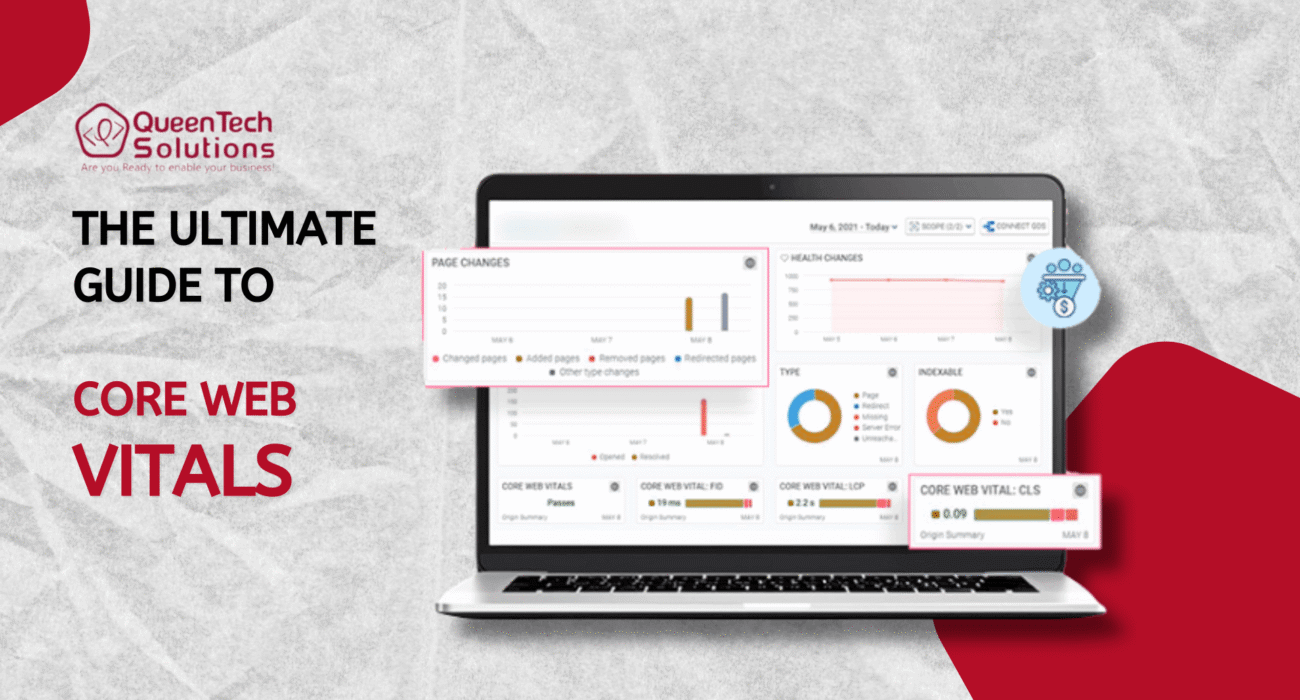
Core Web Vitals have become the foundation of modern web performance and digital success. In today’s fast-paced digital landscape, a website’s speed, stability, and interactivity are essential for visibility and conversions. Google’s algorithm now prioritizes websites that deliver excellent user experiences, meaning technical optimization directly impacts how users engage with your brand and how high you rank in search results.
Whether you run an e-commerce store, a digital marketing agency, or a corporate website in Egypt, improving your Core Web Vitals ensures your pages load faster, respond quickly, and appear stable, leading to higher engagement and measurable growth.
What Are Core Web Vitals?
Before diving into Core Web Vitals, it’s important to understand Web Vitals in general.
Web Vitals are a set of performance metrics introduced by Google to help developers and site owners measure the quality of the user experience on their websites. These metrics evaluate the page’s loading speed, the time it takes for users to interact with it, and its visual stability during loading.
From this broad concept, Google identified a more focused group of metrics known as Core Web Vitals, “the most critical elements that affect real-world user experience.”
The Three Core Web Vitals Metrics:
- Largest Contentful Paint (LCP): Measures how long it takes for the main content of a webpage (like an image, video, or block of text) to load and become visible.
- A good LCP score is 2.5 seconds or less.
- Needs improvement: Between 2.5s and 4s.
- Poor: Above 4 seconds.
- First Input Delay (FID): Measures how quickly a page becomes interactive after a user’s first action (such as clicking a link or button).
- Good: Less than 100 milliseconds (ms).
- Needs improvement: Between 100 ms and 300 ms.
- Poor: Over 300 ms.
(Note: Google plans to replace FID with “Interaction to Next Paint (INP)” as a more comprehensive responsiveness metric.)
3. Cumulative Layout Shift (CLS): Measures visual stability, how often elements on your page unexpectedly shift while loading.
- Good: Less than 0.1.
- Needs improvement: Between 0.1 and 0.25.
- Poor: Above 0.25.
Together, these metrics form the foundation of how Google evaluates real-world user experience. A high-performing website not only improves SEO but also builds trust and satisfaction among visitors, key ingredients for conversions and long-term loyalty.
Why They Are Critical for SEO
In the world of search optimization, Core Web Vitals have become one of the most influential ranking factors.
Google’s ultimate goal is to deliver the best possible experience for its users, which means rewarding websites that load quickly, respond instantly, and remain visually stable. That’s exactly what Core Web Vitals measure: real-world user experience, not just technical speed.
Back in 2021, Google’s Page Experience Update officially made these metrics part of its ranking system, combining them with other experience signals such as HTTPS security, mobile-friendliness, and the absence of intrusive pop-ups. Since then, websites that prioritize performance and usability have consistently outranked slower or unstable competitors.
Optimizing Core Web Vitals directly influences several key SEO metrics. When pages load faster (improved LCP), visitors are less likely to bounce.
When they can interact without delays (better FID or INP), they stay longer and engage more.
And when the layout is stable (low CLS), users perceive your website as more trustworthy and professional, which indirectly improves brand reputation and return visits.
Moreover, Google uses Core Web Vitals as a tie-breaker when ranking pages with similar content quality. So, even if two websites have the same keywords and backlinks, the one with superior Core Web Vitals will often take the higher spot in search results.
The Connection Between Core Web Vitals and Conversions
Speed and user experience are not just technical factors; they’re business drivers.
Studies show that a 1-second delay in page load can reduce conversions by up to 20%. Users expect instant access; if your website lags or shifts visually while loading, they’ll move to competitors.
For e-commerce platforms, service-based businesses, or agencies in Egypt, this directly translates to lost sales or leads. On the other hand, optimizing Core Web Vitals increases trust, engagement, and conversion rates. A fast, stable website encourages visitors to explore, fill out forms, and make purchases confidently.
Put simply, a faster, smoother experience means more satisfied customers and more revenue.
How to Measure Core Web Vitals?
You can’t improve what you don’t measure. Fortunately, Google provides several free tools to track your Core Web Vitals performance:
- Google PageSpeed Insights: Offers detailed insights on both desktop and mobile performance, along with specific recommendations.
- Google Search Console: Displays real-world Core Web Vitals data collected from Chrome users (known as field data).
- Web Vitals Chrome Extension: Gives instant Core Web Vitals metrics as you browse any page.
When analyzing results, focus on the real-user field data since it reflects actual user experiences, not just lab simulations.
How to Improve Each Web Vital?
Optimizing Core Web Vitals requires both design and technical adjustments. Let’s break it down metric by metric:
- Improving Largest Contentful Paint (LCP)
- Compress and resize large images (use next-gen formats like WebP).
- Implement lazy loading so off-screen images don’t block initial load.
- Use a Content Delivery Network (CDN) for faster global delivery.
- Minimize render-blocking CSS and JavaScript.
- Upgrade to reliable hosting with fast server response times.
- Improving First Input Delay (FID)
- Break long JavaScript tasks into smaller chunks.
- Use web workers to offload heavy scripts.
- Reduce third-party code and unnecessary plugins.
- Minimize main-thread work by optimizing scripts and event listeners.
- Improving Cumulative Layout Shift (CLS)
- Always include width and height attributes for images and videos.
- Avoid inserting dynamic content above existing content.
- Reserve space for ads and embeds.
- Use stable font loading techniques (font-display: swap).
These improvements not only enhance performance but also ensure your site remains visually stable and highly interactive, a must for retaining visitors and improving conversions.
Mobile Experience and Core Web Vitals
In Egypt and across the world, over 75% of web traffic now comes from mobile devices. If your website isn’t mobile-friendly, it risks poor Core Web Vitals scores and lower conversions.
Since Google uses mobile-first indexing, your mobile site’s Core Web Vitals are the primary determinant of your search ranking. This means responsive design, optimized images, and efficient code are essential.
A mobile-optimized site that loads quickly and behaves consistently will always outperform a desktop-only or unresponsive design.
Core Web Vitals in the Egyptian Market
The Egyptian digital landscape is becoming more competitive than ever. Businesses are investing heavily in SEO, digital marketing, and e-commerce platforms, but many overlook technical performance.
A website with optimized Core Web Vitals offers a distinct advantage: faster user engagement, higher trust, and stronger brand perception.
For example, a digital marketing agency in Egypt that ensures strong Core Web Vitals for its clients can see improved Google Ads landing page quality scores, lower bounce rates, and higher conversion efficiency.
In industries like real estate, education, or retail, site speed can directly influence whether a potential customer fills out a form or abandons the page.
The Role of Web Developers & Software Houses
Improving Core Web Vitals is a collaborative effort involving designers, marketers, and SEO experts.
A professional web development company in Egypt understands how design choices affect performance. They integrate optimized code structures, lightweight frameworks, and efficient UX flows to meet both Google’s metrics and human expectations.
Partnering with experts ensures that technical SEO aligns with branding, usability, and marketing goals, creating websites that look great, load fast, and convert better.
The Future of Core Web Vitals
Google continues to refine how it measures user experience.
One major update coming is the replacement of FID with Interaction to Next Paint (INP): a broader metric that captures overall responsiveness throughout a user’s session.
This shows Google’s ongoing commitment to quantifying real-world experiences.
As these metrics evolve, businesses that continuously monitor and improve Core Web Vitals will maintain a strong advantage. Regular performance audits, speed tests, and UX updates will be essential parts of digital maintenance.
Conclusion: Core Web Vitals as a Growth Engine
At their core, Core Web Vitals are more than technical checkboxes; they’re growth metrics. A website that loads fast, responds instantly, and stays visually stable doesn’t just please Google; it delights users.
When optimized properly, these vitals directly impact your SEO ranking, brand credibility, and conversion rates. Whether you’re an e-commerce business, a corporate brand, or a creative software house in Egypt, prioritizing Core Web Vitals means investing in performance, visibility, and customer trust.
Your next move? Audit your website’s Core Web Vitals today with Queen Tech, and turn every click into a seamless experience that drives results.
Contact us now